Promoting Biochar for Wildfire Prevention
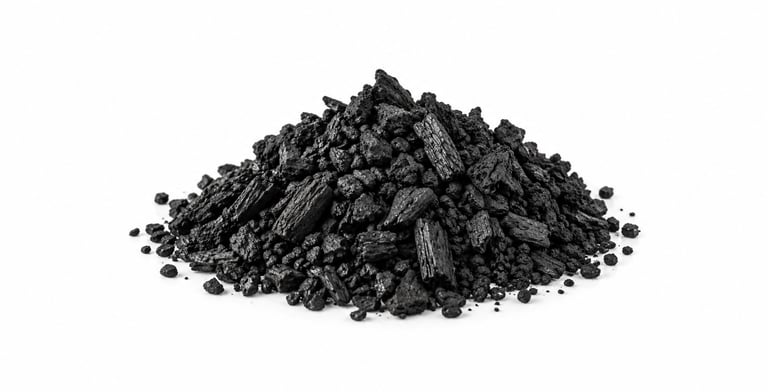
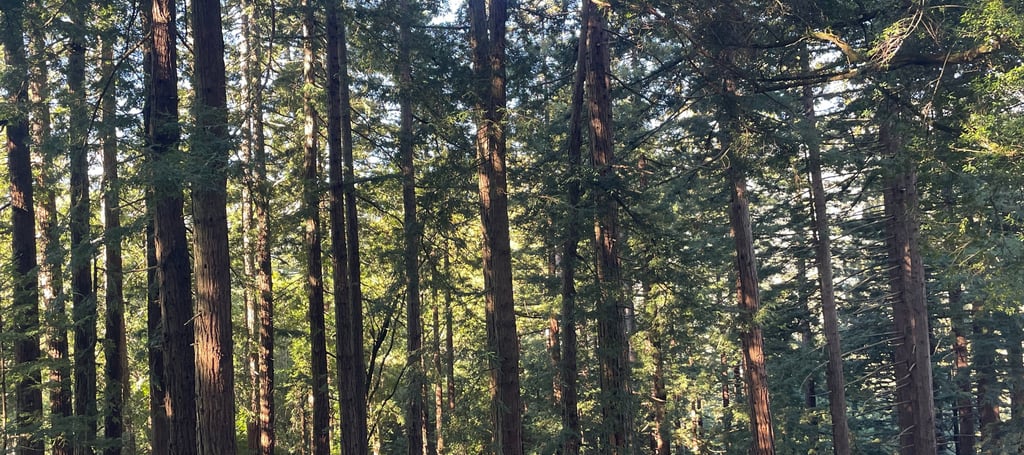
Excess biomass on forest floors is one of the leading contributors to catastrophic wildfire, and removing it is one of the most effective tools for reducing fire risk. We work with partners to offer hands-on training for nonprofits, forest-serving agencies, and communities on how to make, activate, and use biochar to transform hazardous forest debris into a powerful soil amendment. The result is a practical, scalable approach that reduces wildfire risk while building healthier, more productive land.
Accessible and Beneficial
Making biochar doesn't require expensive equipment. Using low-cost methods like the TLUD (Top-Lit Updraft) or flame-cap kiln, landowners, nonprofits, forest-serving agencies, and community members can convert excess biomass directly on site. These kiln designs are affordable, easy to operate, and can be scaled to fit the needs of a small or large land management operation. By turning slash piles and forest debris into a valuable soil amendment, biochar production becomes a practical and affordable part of any land stewardship strategy.
Reduces Fuel Hazard
Turning forest biomass waste into biochar immediately reduces fuel hazards on the forest floor.
Saves Time & Money
Making biochar onsite can reduce the time and cost of hauling biomass to another site.
Better Soil
Biochar improves soil by enhancing water retention, increasing nutrient availability, and creating a stable habitat for beneficial microorganisms resulting in healthier, more fertile soil.
Sequesters Carbon
When organic matter is converted into biochar, the carbon that would otherwise be released into the atmosphere through decomposition or wildfire is locked into a stable form in the soil for hundreds to thousands of years.