
Our Work
Below are some of our recent and upcoming carbon-negative projects.
Solar for Agroforesty Center
In September, 2026, we are bringing a 5.2 kW off-grid solar system to the Deusa Agroforestry Resource Center in Solukhumbu, Nepal to increase the production and sale of crops from local farmers, directly benefiting 500 households and indirectly benefiting 2,000 households in the surrounding area. Solar will support the general operations of the resource center in running the agricultural machines, grinding mill and cold storage. This resource center supports rural farmers and small businesses in the village. Support this project.
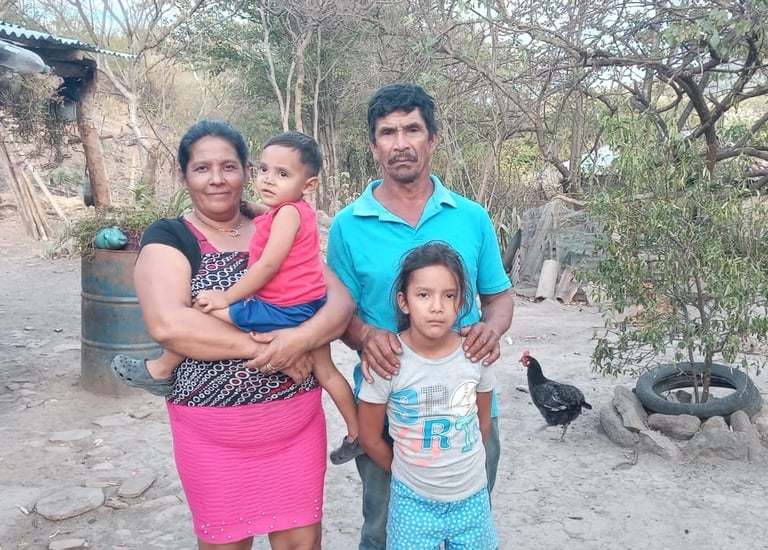
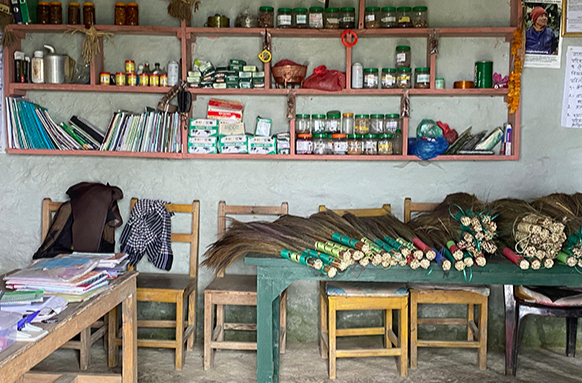
In March 2026, we worked with local partners to install a 2.7kW off-grid battery-based solar system to power a refrigerator for Joaquin & Zeneida who live in Matagalpa, Nicaragua in a small off-grid community. Their family-run community store is the first of its kind in their community and it is a game-changer that saves neighbors time from having to travel long distances for essential supplies. Solar also helps reduce kerosene usage, making lighting safer and brighter.
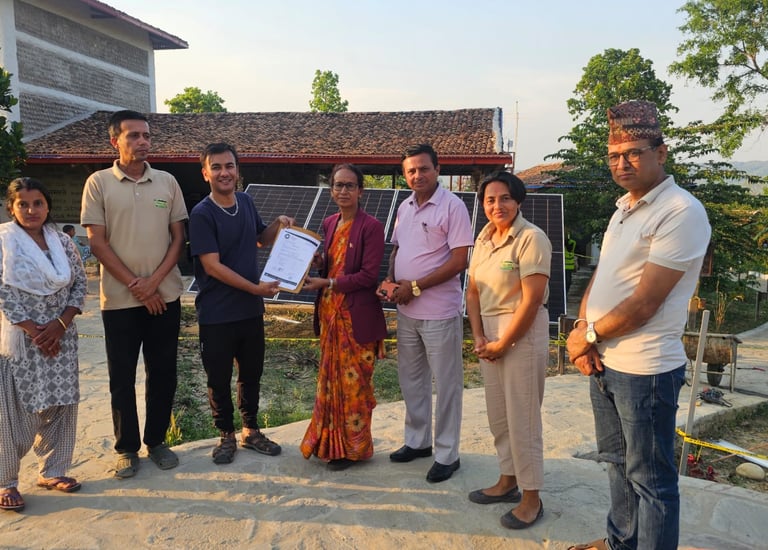
In April 2026, we brought a 4.6kW solar system to Himalchuli Nature Farmstay, a sustainable farm and eco-cultural tourism business located in the remote Madi Valley, in Nepal’s southern Chitwan district. The farm works daily to preserve indigenous knowledge, promote chemical-free farming, and create meaningful interactions between guests and the environment. We worked with local partners Bighnaharta Nepal and Ohm Energy to develop and install this project. The solar system power the farm's operations and support the eco-tourism business, offsetting carbon and ensuring reliable access to electricity.
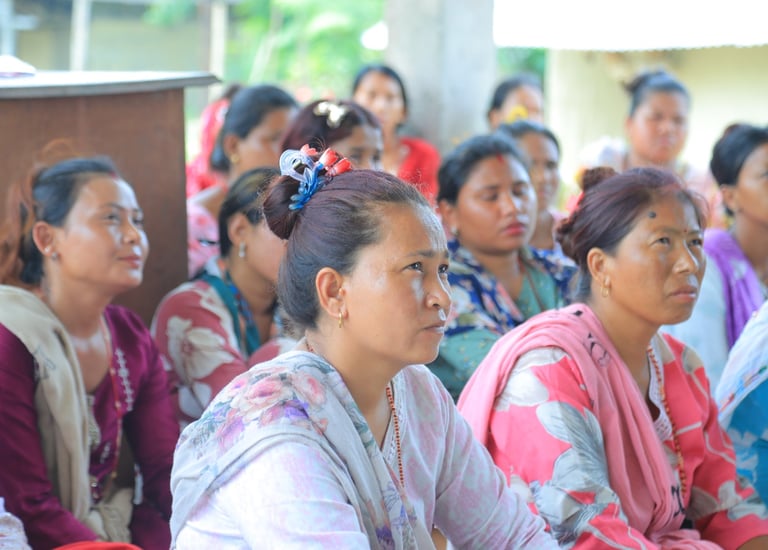
In April, 2026, we worked with Bighnaharta Nepal to give a biochar training for 90 women farmers in Nepal, where they learned how to turn crop residue from their farms into biochar to promote sustainable agriculture. Turning crop residue into biochar prevents CO₂ emissions and locks carbon into biochar which helps enrich soil, displacing harmful fertilizers that damage soil and release nitrous oxide. Through this training, women farmers learned how to make biochar and the numerous benefits of making and using biochar on their farms.
Making Biochar in Marin, California
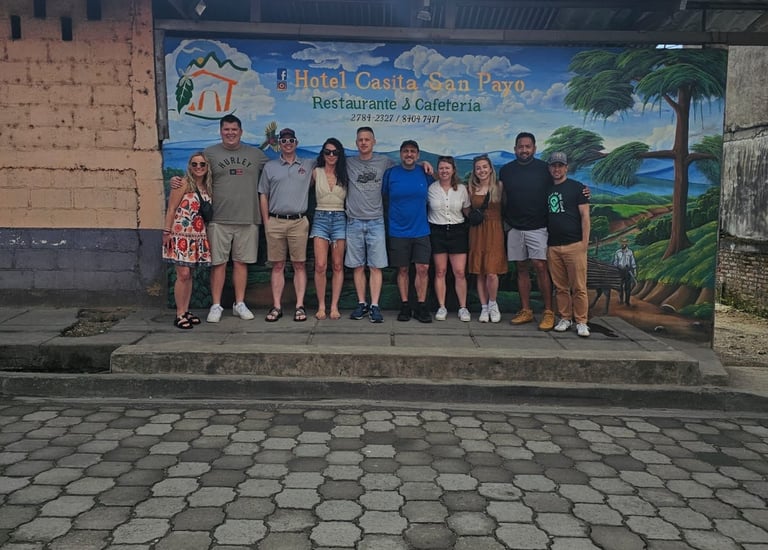
Hotel Casita San Payo Restaurante & Cafetería in San Rafael del Norte, Nicaragua is a local icon that has been hosting groups of locals and travelers at its women-owned hotel for more than 20 years. Asplund Earth Alliance is bringing a grid-tied solar system to the hotel to power its operations during the day to reduce the electric bill and power the hotel with clean energy. Cost savings can improve the hotel's infrastructure and services. Volunteers from IGS Energy will gain hands-on solar experience installing solar at the hotel while learning about the history and culture of Nicaragua.
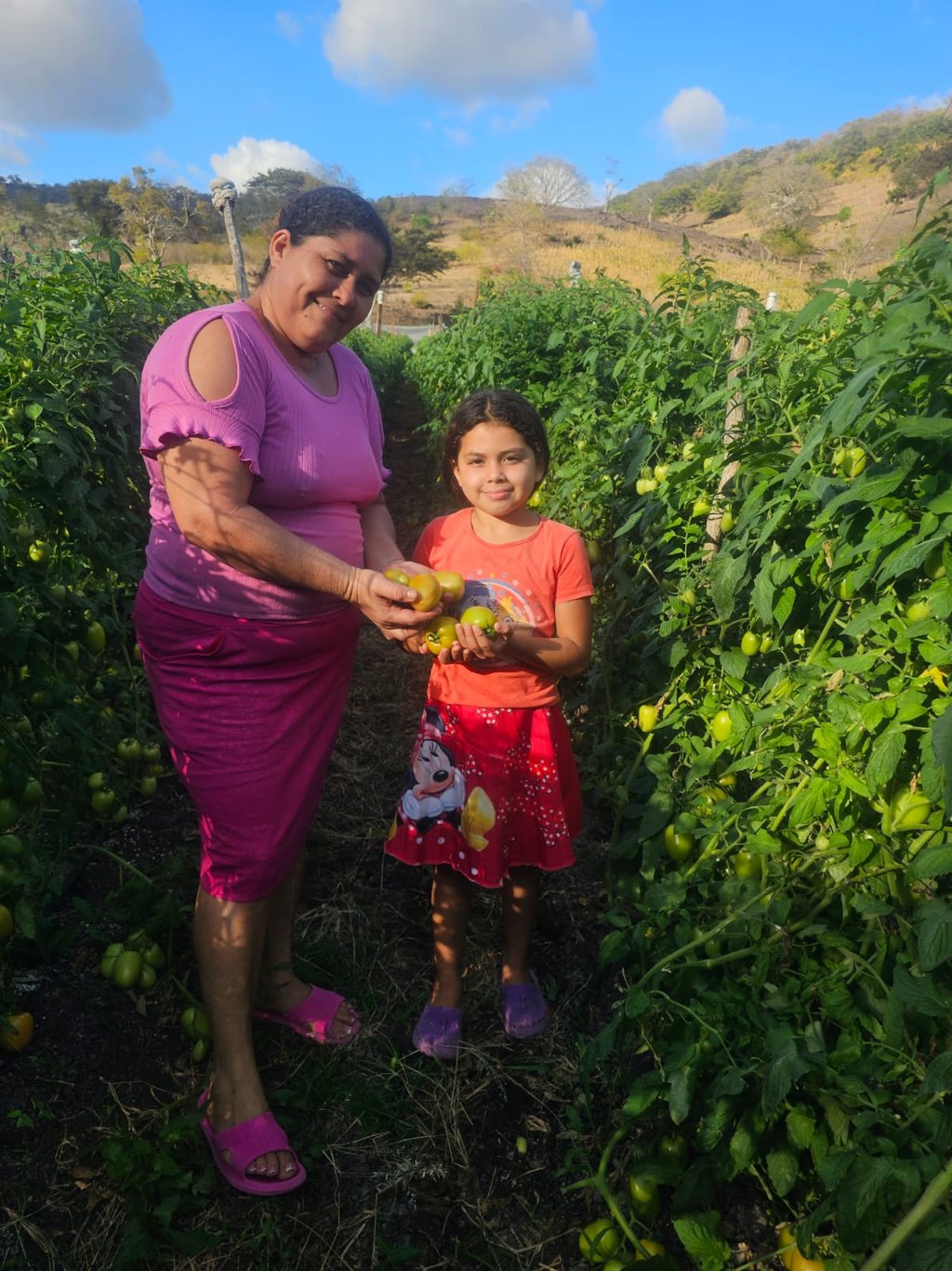
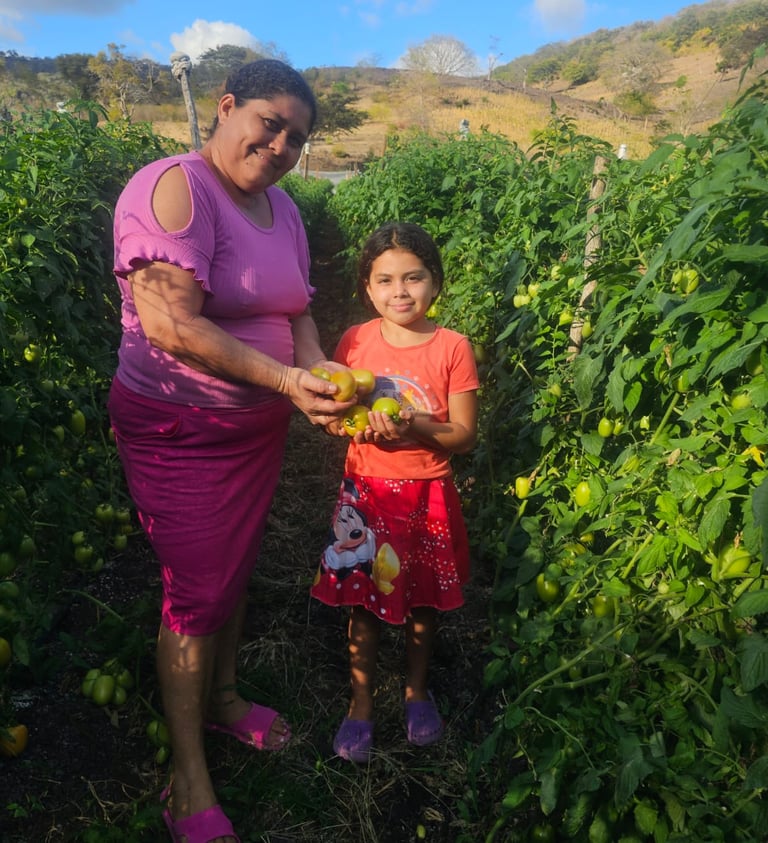
Solar-powered Drip Irrigation for Woman Farmer in Nicaragua
Doña Xiomara and her family grow tomatoes and bell peppers on their 1.7 acre farm in Nicaragua which are sold in local markets in Managua and Jinotega. They rely on a gas generator to irrigate the farm since rain is unpredictable and scarce in the dry season. The generator is expensive and causes noise pollution. Asplund Earth Alliance is working with Xiomara to bring a solar-powered drip irrigation system to her farm, to reduce costs and emissions. Support this project.


Women-owned Hotel Goes Solar
In March 2026, we made a top-lit-updraft biochar gasifier from a 55 gallon drum with a double insulated stainless steel chimney at the San Francisco Tourist Club in MillValley, Calif. We made biochar on site from biomass waste comprised of acacia wood and eucalyptus bark, reducing the amount of fuel burned in open pit burns. Biochar can be applied to trees and plants on the property as a soil amendment and is a great alternative to open burning. In a redwood forest, utilizing biochar instead or open burning can prevent wildfires, preserve old growth trees and reduce greenhouse gas emissions.


Acorn Hub and Nature Reserve Powered by Solar Energy
Asplund Earth Alliance is working with the Contra Costa Resource Conservation District in partnership with Alameda Native History Project to bring solar to the Laurel Court Community Garden and Nature Reserve. The 5-acre reserve serves as a community food hub, outdoor education space, and ecological restoration site in Rodeo, California. The solar and battery system will power irrigation and water systems that sustain food production, support the Acorn Hub’s food processing equipment, charge community tools and equipment, and deliver reliable power for educational programs, communications, and community events.


Tree Planting in Southern India
Climate change is contributing to crop failure in Dindigul, southern India. Women's Education Development society (WEDS) and the 2,100 farmers households and the owners of 5,000 hectares of cultivable land in Dindigul district of Tamil Nadu, India are responding to this crisis by planting 200,000 saplings over three years. The community-driven project, supported by WEDS, a women's empowerment organization, will significantly increase the green cover of the Sanarpatti district, provide environmental education for the district, and serve as an example for other districts about how reforestation can mitigate the effects of climate change. Funding goal: $25,000. Support this project.
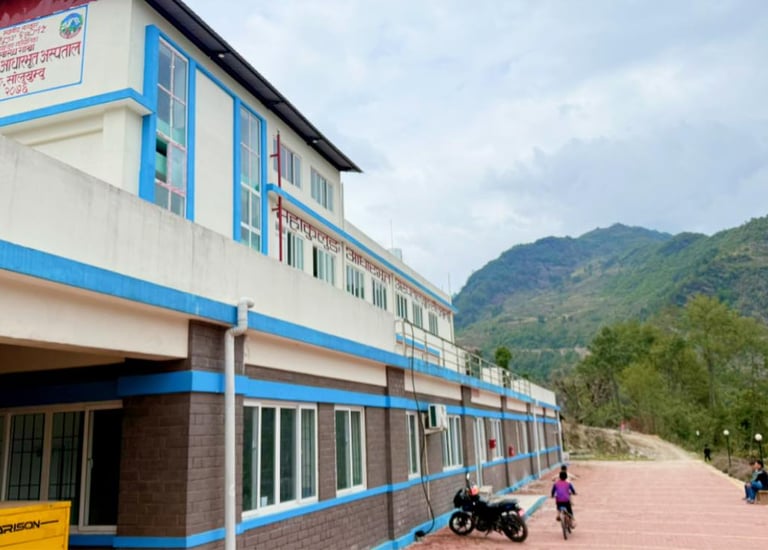
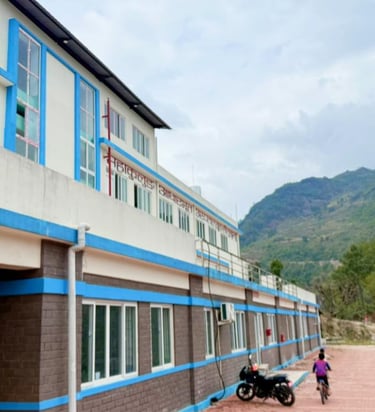
Mahakulung Basic Hospital is a 15-bed public health facility operated by Mahakulung Rural Municipality in Bung, Solukhumbu, in Nepal's Koshi Province. The hospital is the primary healthcare facility for the residents of a remote, mountainous region serving approx. 11,966 patients, providing a broad range of services including emergency care, outpatient consultations, surgical procedures such as cesarean sections and appendectomies, laboratory and radiology services, dental care, maternal and child health, immunization, and pharmacy services. The hospital faces severely unreliable electricity and solar with battery backup will provide 24/7 energy access and backup for critical loads. Support this project.


Solar Power for the Mahakulung Community Health Center in Nepal
10-12 patients visit the Mahakulung Community Health Center daily and women give birth here when they do not have access to a local hospital. The Health Center is very difficult to access by road due to sloped terrains that remain closed in monsoon and winter. The Center’s electricity is unreliable and a 6kW solar with battery backup system will provide reliable clean energy. We are bringing solar to the Health Clinic to allow the Center to run x-ray machines and oxygen concentrators, a baby warmer, AC devices and lights. Support this project.
We are excited to support Green Empowerment to bring a grid-tied solar-powered rural mini-aqueduct with a pumping and gravity-fed distribution system to Canasli, Nicaragua providing safe drinking water to a community with limited economic resources. This solution will help keep water tariffs affordable for users while strengthening the long-term financial sustainability of the system. Funds pay for the system installation, transmission line, storage facilities, chlorination system, distribution network, and household connections. Funding goal: $5,000 Support this project.
Drinking Water in Canasli with Green Empowerment

